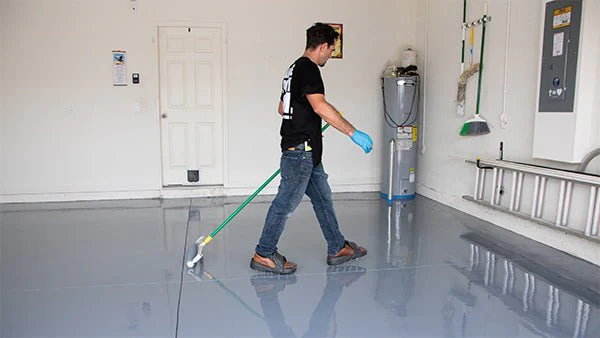

Home renovation is more than upgrading interiors; it is the art of transforming spaces to improve comfort, functionality, value, and aesthetics. Whether you are planning a complete home overhaul or a targeted improvement project, understanding what goes into a successful home renovation can make all the difference. This comprehensive guide will walk you through everything you need to know about home renovation, from planning and budgeting to choosing the right materials and design trends. If you want to increase your property value, create a personalized living environment, or modernize outdated areas, read on.
Understanding Home Renovation
Home renovation refers to the process of improving a residence through structural updates, interior redesign, functional upgrades, or aesthetic enhancements. Unlike home repairs—which focus on fixing problems—renovation enhances spaces by adding value, efficiency, and beauty. Typical renovation projects include kitchen remodeling, bathroom upgrades, flooring replacement, energy‑efficient improvements, and exterior facelifts.
Home renovation projects often demand careful planning, a realistic budget, and informed decision making. Renovating your home can bring substantial returns on investment if done thoughtfully. It also allows homeowners to customize their living environment to better suit personal needs and lifestyles.
Why Home Renovation Matters
Renovating your home offers multiple benefits that extend beyond surface beauty:
Increased Property Value
One of the most compelling reasons for home renovation is the potential to increase resale value. Strategic upgrades such as modern kitchens, updated bathrooms, and energy‑efficient installations often result in higher market appeal. Real estate professionals emphasize that buyers are more willing to pay premium prices for homes with updated features and well‑maintained infrastructure.
Improved Comfort and Functionality
Home renovation allows you to tailor spaces to your lifestyle. Families grow, needs change, and technology evolves. Renovating your home enables customization—creating open floor plans for entertaining, adding smart home features, or designing ergonomic workspaces.
Energy Efficiency and Cost Savings
Many renovation projects focus on sustainability and energy savings. Installing energy‑efficient windows, upgrading insulation, replacing old HVAC systems, or adding solar panels can significantly reduce utility costs. These improvements are both eco‑friendly and financially savvy.
Enhanced Aesthetics and Modernization
Design trends evolve over time. If your home feels outdated, renovation allows you to refresh your space with contemporary styles, innovative materials, and smart layouts that reflect current tastes.
Planning Your Home Renovation
Effective planning is essential for a successful home renovation project. Below are foundational steps every homeowner should take.
1. Define Your Goals
Before starting any renovation work, clarify your objectives. Ask yourself: What do I want to achieve? Are you renovating to sell or to stay long‑term? Do you need more space, better lighting, improved flow, or updated finishes? Understanding your goals will guide your decisions about design, budgeting, and contractor selection.
2. Set a Realistic Budget
Budgeting is a critical component of renovation planning. Costs can quickly escalate if not carefully monitored. To avoid surprise expenses, allocate funds for materials, labor, permits, design fees, and contingency reserves. Most renovation experts recommend setting aside an additional 10–20 percent of your total budget for unforeseen issues that arise during construction.
3. Prioritize Projects
If you are renovating multiple areas of your home, prioritize based on urgency, impact, and return on investment. For example, kitchen and bathroom upgrades often yield high resale value, while cosmetic changes such as painting and lighting may be less costly but still impactful.
4. Hire the Right Professionals
Selecting skilled professionals—architects, designers, contractors—is one of the most important decisions you will make. Experienced professionals bring expertise in planning, permitting, structural considerations, and compliance with building codes. Ask for referrals, review portfolios, check references, and ensure proper licensing and insurance before finalizing any contracts.
5. Obtain Necessary Permits
Depending on the scope of your home renovation, you may need permits from local authorities. Structural modifications, electrical work, plumbing changes, and major additions typically require approval. Failing to secure permits can lead to fines or costly changes later, so always consult your contractor and local building department.
Popular Home Renovation Projects
Home renovation encompasses a variety of projects, each with unique considerations and advantages. Below are some of the most sought‑after home improvement projects.
Kitchen Renovation
Kitchen renovation remains one of the top priorities for homeowners seeking both functional improvement and increased home value. A modern, well‑designed kitchen enhances daily living and appeals to buyers. Key elements of kitchen renovation include:
Cabinetry and Storage Solutions
Custom cabinets, pull‑out shelves, and pantry organizers maximize storage and improve organization.
Countertops
Choosing durable and stylish materials such as quartz, granite, or engineered stone can transform the overall look of your kitchen.
Lighting and Fixtures
Well‑planned lighting—ambient, task, and accent—enhances both aesthetics and usability.
Appliances
Upgrading to energy‑efficient appliances with modern features improves convenience and reduces utility costs.
Bathroom Remodeling
Bathroom renovation enhances comfort and efficiency while boosting property value. Popular upgrades include:
Walk‑In Showers and Freestanding Tubs
Modern showers with glass enclosures or spa‑style tubs offer luxury and style.
Vanities and Storage
Updated vanities with ample storage help keep bathrooms organized and visually appealing.
Tiles and Finishes
Selecting water‑resistant materials like porcelain or ceramic tiles ensures durability and long‑term beauty.
Smart Fixtures
Motion‑activated faucets, low‑flow toilets, and LED lighting improve both efficiency and sustainability.
Flooring Replacement
Replacing old flooring can dramatically alter the look and feel of your home. Choices vary widely depending on budget, lifestyle, and style:
Hardwood Flooring
Timeless and durable, hardwood floors add value and appeal in living areas and bedrooms.
Laminate and Luxury Vinyl Planks
Cost‑effective alternatives that mimic the look of hardwood or tile remain popular for their durability and ease of maintenance.
Tiles and Stone
Ideal for bathrooms, kitchens, and entryways, tiles offer a vast range of styles and finishes.
Exterior Renovation
Exterior upgrades enhance curb appeal and protect your home from harsh weather conditions. Common exterior renovation projects include:
Roof Replacement
A new roof improves structural integrity and safeguards your home from leaks and damage.
Siding and Paint
Updating siding or repainting exterior walls refreshes the home’s look and boosts durability.
Landscaping
Well‑designed outdoor spaces not only enhance curb appeal but also expand living areas for entertainment or relaxation.
Home Renovation Trends in 2026
Staying current with design trends can elevate your renovation project. Some of the most influential home renovation trends in 2026 include:
Smart Home Integration
Home automation—such as smart thermostats, lighting controls, and security systems—adds convenience and efficiency.
Sustainable Materials
Eco‑friendly materials like recycled wood, low‑VOC paints, and energy‑efficient windows reflect a growing emphasis on sustainability.
Multi‑Functional Spaces
Homes are increasingly blending work, relaxation, and entertainment zones to accommodate flexible lifestyles.
Minimalist Design
Clean lines, neutral palettes, and clutter‑free environments remain popular for their calming effect and timeless appeal.
Outdoor Living Enhancements
Outdoor kitchens, fire pits, and patio upgrades extend living spaces and encourage alfresco enjoyment.
Common Home Renovation Challenges
Even with careful planning, renovation projects can encounter challenges. Here are common issues and how to navigate them:
Unexpected Structural Issues
Older homes may harbor hidden problems such as rot, outdated wiring, or foundation issues. Conduct thorough inspections and allocate contingency funds.
Delays in Material Delivery
Supply chain delays can impact timelines. Order materials early and maintain open communication with your contractor.
Budget Overruns
Unplanned changes or upgrades can raise costs. Stick to your priorities and avoid frequent alterations once construction begins.
Permit Delays
Permit approvals may take longer than anticipated. Start the process early and follow up regularly with local authorities.
Tips for a Successful Home Renovation
To maximize your renovation results and minimize stress, consider these expert tips:
Communicate Clearly With Your Contractor
Clear expectations, written contracts, and regular updates build trust and prevent misunderstandings.
Stay Organized
Track invoices, warranties, timelines, and design choices in a dedicated project folder.
Expect the Unexpected
Keep a flexible mindset and anticipate minor disruptions—renovation is a process, not an event.
Focus on Quality Over Trends
While trends are inspiring, quality materials and enduring design choices pay dividends over time.
Final Thoughts
Home renovation is an exciting journey that blends creativity, practicality, and personal expression. Whether you are renovating for resale value, enhanced comfort, energy efficiency, or aesthetic appeal, careful planning and informed decisions will ensure your project is rewarding and successful. With the right strategy, professionals, and vision, your home renovation can become a transformative experience that elevates both your lifestyle and your property’s worth.