
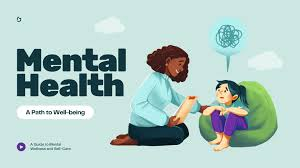
Mental health is an essential component of overall health that influences how individuals think, feel, and act. According to the World Health Organization, mental health is defined as a state of well‑being in which every person realizes their potential, can cope with normal life stressors, works productively, and contributes to their community. Mental health affects every stage of life, from childhood and adolescence through adulthood, yet remains misunderstood by many. This article explores key concepts, disorders, treatment options, prevention strategies, and ways to promote positive mental well‑being.
What Is Mental Health and Why Does It Matter?
The concept of mental health includes emotional, psychological, and social well‑being. It determines how people handle stress, relate to others, make decisions, and cope with life’s challenges. Good mental health is more than the absence of mental disorders; it is a foundation for living a balanced and fulfilling life. According to the Centers for Disease Control and Prevention (CDC), poor mental health can limit a person’s ability to function at work, maintain relationships, or enjoy daily activities.
Understanding mental health is important because it affects physical health, productivity, and quality of life. Individuals with strong mental health are better equipped to manage stressors, adapt to changes, and pursue their goals. Conversely, untreated mental health conditions can lead to severe emotional distress and contribute to increased risk of chronic diseases, substance abuse, or suicide.
Common Mental Health Disorders
Mental health disorders encompass a wide range of conditions that affect mood, thinking, and behavior. Some of the most frequently diagnosed conditions include major depressive disorder, generalized anxiety disorder, bipolar disorder, post‑traumatic stress disorder (PTSD), and schizophrenia. According to the Diagnostic and Statistical Manual of Mental Disorders, Fifth Edition (DSM‑5) published by the American Psychiatric Association, diagnostic criteria help clinicians identify and treat these conditions.
Major depressive disorder is characterized by persistent feelings of sadness, loss of interest in activities, and impaired daily functioning. Generalized anxiety disorder involves excessive worry, restlessness, and difficulty concentrating. Bipolar disorder features alternating episodes of mania and depression that disrupt a person’s mood stability. PTSD can occur after exposure to a traumatic event and includes symptoms such as flashbacks, hyperarousal, and emotional numbness. Schizophrenia is a complex and chronic condition involving hallucinations, delusions, and disorganized thinking.
Risk Factors and Causes of Mental Health Challenges
Mental health challenges do not occur in isolation; they often result from multiple interacting factors. Biological influences such as genetics and brain chemistry can increase vulnerability to mental health disorders. Family history of conditions like depression or bipolar disorder can elevate risk. Environmental stressors such as poverty, violence, trauma, and chronic medical conditions also contribute to mental health difficulties.
Social connection plays a protective role in mental health. Lack of supportive relationships, social exclusion, or prolonged stress can weaken resilience and make individuals more susceptible to conditions such as anxiety and depression. Childhood adversity, including abuse or neglect, has long‑term effects on mental health development.
Recognizing the Signs and Symptoms
Recognizing early signs of mental health issues can lead to timely intervention. Symptoms vary depending on the specific condition but often include changes in mood, behavior, or thinking patterns. Persistent sadness, irritability, significant weight changes, sleep disturbances, fatigue, and loss of interest in previously enjoyed activities may signal a mental health concern.
Individuals experiencing anxiety might report excessive worry, restlessness, or panic attacks. Others may experience intrusive thoughts or overwhelming fear about everyday situations. Cognitive symptoms such as difficulty concentrating, memory problems, or indecisiveness can interfere with daily functioning. Behavioral changes like withdrawal from social interactions, substance misuse, or declining performance at work or school warrant attention.
The Impact of Mental Health on Daily Life
Mental health significantly impacts productivity, relationships, and physical health. Poor mental health can reduce work performance, increase absenteeism, and create financial strain. Individuals with untreated mental health disorders often experience difficulties in personal and professional relationships due to communication issues, emotional instability, or withdrawal.
Physical health and mental health are interconnected. Chronic stress and depression can weaken the immune system, increase inflammation, and elevate the risk of conditions such as cardiovascular disease or diabetes. According to the National Institute of Mental Health (NIMH), integrated care that addresses both mental and physical health yields better outcomes.
Treatment Options: Therapy, Medication, and Support
Treatments for mental health conditions vary based on diagnosis, severity, and individual needs. Psychotherapy, also known as talk therapy, is a foundational approach that helps individuals understand their thoughts, emotions, and behaviors. Common modalities include cognitive behavioral therapy (CBT), dialectical behavior therapy (DBT), and interpersonal therapy (IPT). CBT focuses on identifying and changing negative thought patterns, while DBT emphasizes emotional regulation and interpersonal effectiveness.
Medication may be prescribed alongside therapy to manage symptoms. Antidepressants such as selective serotonin reuptake inhibitors (SSRIs) are commonly used for depression and anxiety. Mood stabilizers and antipsychotic medications help manage conditions like bipolar disorder and schizophrenia. It is important for individuals to work closely with a licensed psychiatrist to determine the most appropriate treatment plan.
Support groups and peer support programs provide additional encouragement and a sense of community. Organizations such as Mental Health America (MHA) and the National Alliance on Mental Illness (NAMI) offer resources, education, and local support for individuals and families affected by mental health issues.
Strategies for Preventing Mental Health Problems
While not all mental health conditions are preventable, early intervention and lifestyle strategies can reduce risk and enhance well‑being. Prioritizing sleep, balanced nutrition, and regular physical activity supports mental resilience. Research shows that exercise releases endorphins, reduces stress, and improves mood.
Practicing mindfulness and stress‑reduction techniques such as meditation, yoga, or deep breathing exercises can enhance emotional regulation. Setting realistic goals, maintaining social connections, and seeking help when overwhelmed contribute to a proactive mental health approach.
Promoting mental health literacy through education and awareness campaigns also helps communities recognize symptoms and reduce stigma. Schools, workplaces, and healthcare providers play a role in creating environments that support mental health and encourage help‑seeking behaviors.
The Role of Technology in Mental Health Care
Technology has expanded access to mental health resources through telehealth, mobile apps, and online therapy platforms. Teletherapy allows individuals to receive counseling remotely, reducing barriers such as transportation or geographic limitations. Mental health apps provide tools for mood tracking, meditation, and coping strategies.
While digital tools are valuable, they should complement professional care, not replace it. It is important to evaluate apps and platforms for evidence‑based practices and privacy protections. Organizations like the American Psychological Association (APA) offer guidelines for ethical and effective use of digital mental health tools.
Addressing Mental Health Stigma
Stigma remains a major barrier to mental health care worldwide. Negative attitudes and misconceptions can prevent individuals from seeking help and exacerbate feelings of shame or isolation. Public education campaigns, personal storytelling, and open dialogue about mental health challenges help normalize conversations and reduce stigma.
Workplaces that implement mental health policies, employee assistance programs, and supportive leadership foster inclusive cultures that value well‑being. Schools that teach emotional and social skills empower young people with tools to manage stress and build resilience.
Resources for Support and Help
There are numerous support resources for individuals facing mental health challenges. World Health Organization (WHO) provides global mental health guidelines and resources. National Institute of Mental Health (NIMH) offers research‑based information on symptoms, treatments, and current studies. For immediate support, crisis hotlines in many countries provide 24/7 assistance, including the 988 Suicide & Crisis Lifeline in the United States.
Local mental health clinics, licensed therapists, and primary care providers are vital points of contact for assessment and treatment. Peer support groups, nonprofit organizations, and community mental health centers offer additional avenues for connection and recovery.
Conclusion: Nurturing Mental Health for Life
Mental health is a dynamic and essential aspect of human well‑being that influences every part of life. Understanding common disorders, recognizing symptoms, accessing appropriate treatment, and practicing preventive strategies are critical steps toward maintaining mental balance. Reducing stigma, leveraging technology responsibly, and building supportive environments empower individuals to pursue mental health with confidence. By prioritizing mental health awareness and care, we contribute to healthier, more resilient communities.