
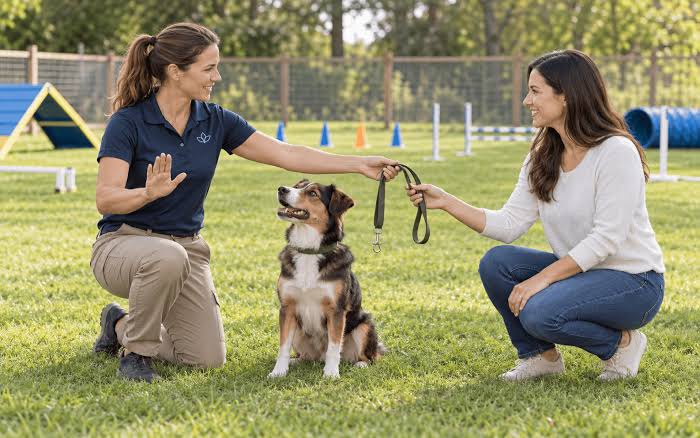
Dog training does not end when a dog learns to sit, stay, come, or walk politely on a leash. These skills require regular practice to remain reliable, especially as dogs encounter new environments, distractions, and everyday challenges. Without continued reinforcement, even well-trained dogs may gradually develop inconsistent responses to familiar commands.
For owners who want to preserve their dog’s progress, canine obedience maintenance programs offer a practical approach to reinforcing established behaviors and maintaining good manners over time. Rob’s Dog Training recognizes the importance of continued learning in helping dogs retain essential obedience skills and adapt to changing circumstances.
Understanding how maintenance training works, which skills require regular attention, and how owners can reinforce good behavior at home can make a significant difference in a dog’s long-term development.
Why Dogs Need Ongoing Obedience Training
Dogs learn through repetition, consistency, and reinforcement. Although initial training establishes the foundation for good behavior, regular practice helps maintain these skills as part of a dog’s everyday routine.
A dog that consistently responds to commands at home may struggle when encountering unfamiliar people, other animals, traffic, or exciting outdoor environments. These situations introduce distractions that can affect concentration and responsiveness.
Ongoing obedience practice helps address these challenges by:
- Reinforcing familiar commands and expected behaviors.
- Improving responsiveness around everyday distractions.
- Maintaining appropriate leash manners during walks.
- Supporting calm behavior when visitors arrive.
- Strengthening communication between dogs and their owners.
- Preventing unwanted habits from becoming established.
Consistent reinforcement also gives owners opportunities to recognize behavioral changes before they become more difficult to address.
What Are Canine Obedience Maintenance Programs?
Canine obedience maintenance programs focus on preserving and strengthening skills that a dog has already learned. Unlike beginner training, which introduces basic commands and behaviors, maintenance sessions concentrate on consistency, reliability, and practical application.
Training may involve reviewing familiar commands, practicing around distractions, and identifying situations where a dog’s responses have become less dependable.
For example, a dog may respond immediately to a recall command in the backyard but ignore it at a busy park. Maintenance training provides opportunities to practice the same skill under gradually more challenging conditions.
Depending on the dog’s experience and individual needs, ongoing training may include:
- Basic obedience: Reinforcing sit, down, stay, come, and place commands.
- Leash training: Maintaining loose-leash walking and appropriate responses to changes in direction.
- Impulse control: Practicing patience around food, toys, people, and other animals.
- Distraction management: Improving focus in environments with unfamiliar sights, sounds, and movement.
- Social manners: Reinforcing calm and appropriate behavior during everyday interactions.
The goal is not simply to repeat commands but to help dogs respond appropriately in situations they encounter outside formal training sessions.
Key Skills to Reinforce During Maintenance Training
Not every obedience skill requires the same amount of attention. Owners should prioritize behaviors that contribute to household safety, daily routines, and positive interactions.
1. Reliable Recall
Recall is one of the most important obedience skills because it allows owners to call their dogs back when necessary. However, a dog that responds consistently indoors may become less reliable around wildlife, unfamiliar dogs, or exciting outdoor activities.
Practice recall in controlled environments before gradually introducing distractions. Rewarding successful responses helps maintain the association between returning to the owner and receiving something positive.
For safety, dogs should remain on a leash or long line in unsecured public areas until their recall is sufficiently reliable.
2. Loose-Leash Walking
Regular walks provide opportunities to reinforce appropriate leash behavior. Dogs may gradually return to pulling, lunging, or changing direction unpredictably if these habits are not addressed consistently.
Owners can practice rewarding their dogs when they walk beside them without creating excessive tension on the leash. Short training exercises during ordinary walks can help maintain good habits without requiring separate, lengthy sessions.
3. Stay and Impulse Control
Commands such as stay, wait, and leave it encourage dogs to pause before responding to distractions or approaching something interesting.
These skills are particularly useful around open doors, food preparation areas, visitors, and outdoor environments. Regular practice helps dogs develop patience while allowing owners to manage everyday situations more confidently.
4. Calm Greetings and Social Manners
Jumping, excessive excitement, and pulling toward unfamiliar people can become recurring challenges without consistent guidance.
Maintenance training reinforces alternative behaviors, such as sitting when greeting visitors or remaining calm when encountering other dogs. Owners should reward appropriate responses rather than waiting until unwanted behavior occurs.
How Often Should Dogs Practice Obedience Skills?
The appropriate training frequency depends on a dog’s age, temperament, previous experience, and individual behavioral needs. However, regular short sessions are generally more practical than relying on occasional intensive training.
Many owners can incorporate obedience practice into daily activities. A few minutes of recall, waiting, leash manners, or place-command practice can provide useful reinforcement.
A manageable routine may include:
- Daily practice: Review two or three familiar commands during walks, meals, or playtime.
- Weekly challenges: Introduce controlled distractions or practice skills in a different environment.
- Periodic assessments: Identify commands that have become inconsistent and determine which behaviors need additional attention.
- Professional guidance: Arrange refresher sessions when new challenges arise or existing skills require more structured support.
Training should remain appropriate for the dog’s ability. Increasing difficulty too quickly can create frustration and reduce the likelihood of successful responses.
The Role of Owners in Maintaining Good Behavior
Professional instruction can establish effective training methods, but owners play an essential role in preserving their dog’s progress. Dogs interact with their families every day, making household consistency an important part of long-term obedience.
Everyone involved in the dog’s care should understand the same commands, expectations, and reward system. If one family member allows jumping while another discourages it, the dog may receive conflicting information.
Owners can support consistent learning by:
- Using the same verbal cues for familiar commands.
- Rewarding desired behaviors promptly.
- Avoiding repeated commands when a dog has not responded.
- Keeping training sessions positive and manageable.
- Practicing skills in different appropriate environments.
- Recognizing when a dog needs a break or a simpler exercise.
Positive reinforcement, including treats, praise, toys, and play, can help maintain motivation. Rewards should reflect what the individual dog finds valuable.
Common Mistakes That Can Undermine Training Progress
Even owners with well-trained dogs can unintentionally weaken established habits. Recognizing common mistakes makes it easier to maintain consistent expectations.
Stopping practice completely: Assuming that a dog will remember every command indefinitely can lead to inconsistent responses. Regular reinforcement keeps important skills familiar.
Introducing distractions too quickly: Practicing recall in a crowded park before the dog responds reliably in quieter surroundings can make success difficult. Gradual progression is more effective.
Inconsistent household rules: Allowing different behaviors depending on the person or situation can confuse expectations. Clear and consistent boundaries help dogs understand what is required.
Using commands without reinforcement: Repeatedly asking for behaviors without acknowledging successful responses can reduce motivation. Appropriate rewards help maintain engagement.
Ignoring behavioral changes: A previously reliable dog that suddenly struggles with familiar commands may be experiencing stress, discomfort, environmental changes, or other difficulties. Owners should consider these factors rather than automatically assuming disobedience. Veterinary advice may be appropriate when sudden behavioral changes occur.
Choosing the Right Obedience Maintenance Approach
An effective maintenance plan should reflect the dog’s existing skills and everyday environment. A young dog with a strong foundation may benefit from regular distraction training, while an older dog may need shorter sessions that account for changes in mobility or energy.
Owners should consider whether a program addresses practical goals rather than focusing exclusively on command repetition.
Useful factors include the trainer’s experience, training philosophy, session structure, opportunities for real-world practice, and guidance for reinforcing skills at home.
It is also important to ask how progress is evaluated and how training can be adjusted when a dog encounters new behavioral challenges. A suitable approach should encourage achievable improvements without placing unnecessary pressure on the animal.
Maintain Good Habits Through Consistent Training
Long-term obedience depends on more than what a dog learns during its first training sessions. Regular practice, clear communication, positive reinforcement, and appropriate challenges help preserve established behaviors while supporting continued development.
Canine obedience maintenance programs give owners a structured way to keep essential skills relevant to everyday life. By reinforcing recall, leash manners, impulse control, and appropriate social behavior, families can create more predictable interactions and help their dogs remain responsive in different environments. With continued guidance from Rob’s Dog Training, owners can also reinforce the importance of consistent training beyond formal lessons.
The most successful approach combines professional guidance with consistent participation at home. When training becomes part of ordinary daily activities, obedience is more likely to remain a lasting habit rather than a skill demonstrated only during formal lessons.